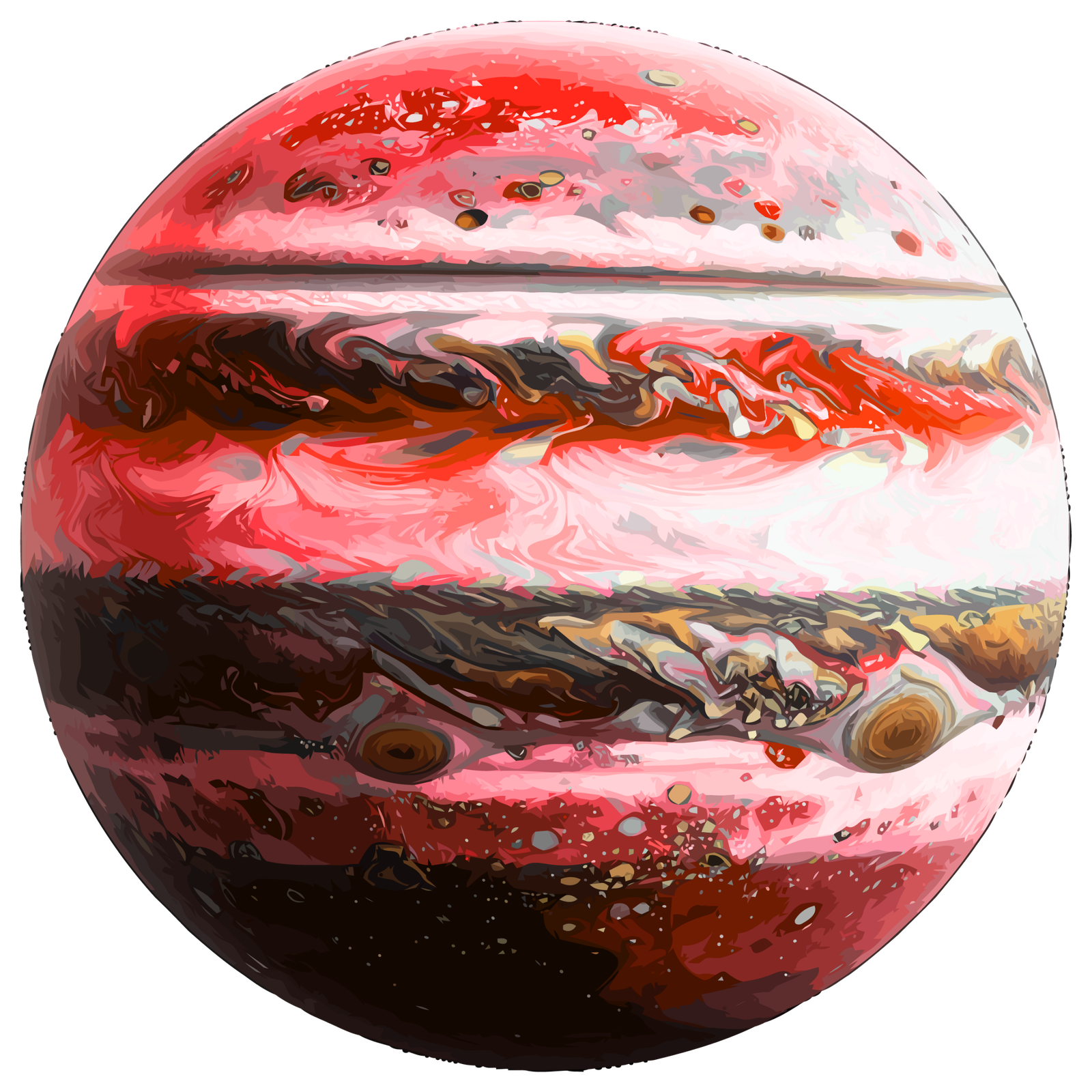

Squeeze the mass of our entire Sun into a sphere about the size of Manhattan Island and you’d have something close to a neutron star, the densest object in the universe that astronomers can actually observe directly. Anything denser collapses into a black hole instead. Here’s what these crushed stellar corpses actually are, and why they behave so strangely.
Born From a Collapsing Core
A neutron star forms when a massive star, generally between about 8 and 25 times the mass of our Sun, runs out of fuel and explodes as a supernova. As the star’s core collapses under its own gravity, the crushing pressure forces protons and electrons to merge together into neutrons, a process so violent it releases a flood of neutrinos carrying away most of the star’s remaining energy. If the leftover core weighs between roughly 1 and 3 solar masses, that collapse halts there, leaving behind a neutron star instead of continuing on to form a black hole.
The math involved is genuinely hard to picture. A typical neutron star packs more mass than our Sun into a sphere just 12 to 15 miles across, small enough to fit comfortably within the boundaries of a mid-sized city.
Unimaginably Dense, Unbelievably Strong Gravity
A single sugar cube of neutron star material would weigh about a billion tons here on Earth, roughly as much as an entire mountain. Surface gravity is similarly extreme, somewhere around 100 billion times what we experience standing on Earth. NASA has described the effect this way, if you dropped a marshmallow onto a neutron star’s surface, it would strike with the force of a thousand hydrogen bomb detonations, simply from the acceleration caused by that gravity.
What keeps a neutron star from collapsing even further into a black hole is neutron degeneracy pressure, a quantum mechanical effect similar to what supports white dwarfs, just operating at a far more extreme scale. Push past roughly 2 to 3 solar masses, and even that pressure fails, sending the remnant collapsing the rest of the way into a black hole instead.
Spinning, Flickering, and Sometimes Colliding
Neutron stars are born spinning incredibly fast, a natural consequence of conserving angular momentum as the original star’s much larger core collapses down to city-size. Some spin hundreds of times per second, and when their beamed radiation sweeps past Earth like a lighthouse, we detect them as pulsars, the same objects covered in our earlier piece on what a pulsar actually is.
Neutron stars in binary systems can also spiral inward and eventually collide, an event so violent it ripples spacetime itself. The 2017 merger known as GW170817 was the first neutron star collision ever detected through gravitational waves, and it also confirmed something remarkable, collisions like these are where much of the universe’s gold and platinum actually gets forged.
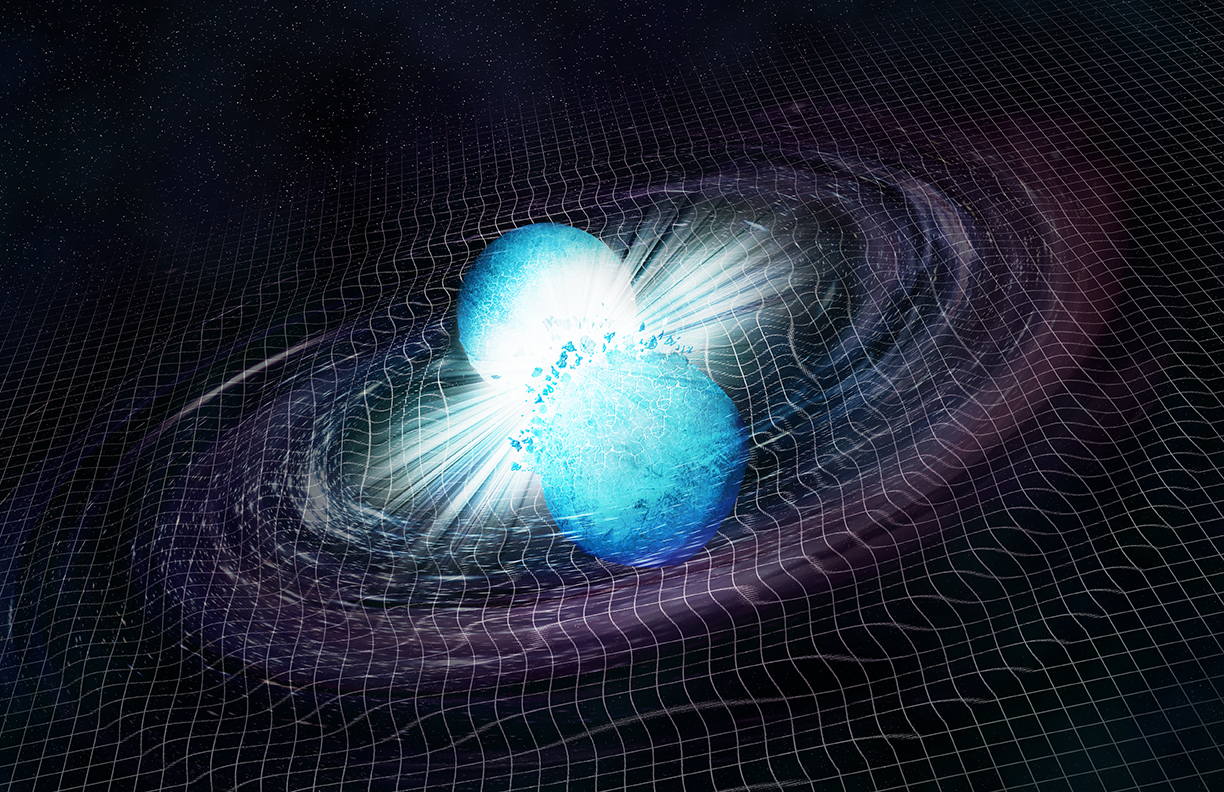 Two neutron stars spiral together and merge in this illustration based on the real 2017 event GW170817, a collision so violent it produced both gravitational waves and, based on later Chandra data, likely created the lowest-mass black hole ever confirmed. (Image: NASA/CXC/M. Weiss)
NASA estimates roughly a billion neutron stars are scattered throughout the Milky Way alone, the quiet, crushed remnants of massive stars that lived fast and died in spectacular fashion. If you want the full picture of the explosive event that creates them in the first place, our breakdown of what a supernova actually is covers that entire collapse and rebound process step by step.
For more detailed neutron star physics, check out the overview from Space.com and NASA’s own explainer at Imagine the Universe.
If you enjoyed this article, don’t forget to drop us a comment, it really helps support the site, and be sure to check out our other articles because we think you’re going to love them too.