
Many people think you need expensive gear to explore space. Friends often say they can’t enjoy astronomy without the right tools. But, your eyes are incredibly powerful tools for seeing celestial wonders.
Stepping outside on a clear, dark evening can reveal amazing sights. You don’t need complex lenses to see the beauty above. Discovering what can you see in the night sky without a telescope is a rewarding journey starting in your backyard.
I want to show you these accessible marvels. Whether it’s a bright planet or a distant star cluster, the universe has magic for those who look up. Let’s start this adventure together.
Key Takeaways
- Astronomy is accessible to everyone, no matter their budget.
- The human eye can spot planets, moons, and star clusters.
- Dark locations away from city lights offer the best views.
- Patience and dark adaptation are key for stargazing.
- Simple observation helps connect us to the cosmos.
Preparing for Your Naked Eye Astronomy Adventure
To master naked eye astronomy, you need to prepare well. The universe is always there, but seeing night sky features depends on your setup. A few steps can turn an evening into a cosmic journey.

Finding a Dark Sky Location in the United States
Light pollution is a big challenge for astronomers. Look for areas marked by the International Dark-Sky Association. These places offer clear views, away from city lights.
Even without a certified park, find a spot far from cities. A hill or quiet field can greatly improve your view. As Carl Sagan said:
“The cosmos is within us. We are made of star-stuff. We are a way for the universe to know itself.”
The Importance of Letting Your Eyes Adjust to the Dark
Your eyes need time to adjust to the dark. It takes twenty to thirty minutes for your pupils to fully open. This makes your eyes more sensitive to faint light.
Don’t look at bright lights during this time. White light resets your eyes, so you must wait again. Being patient is key to stargazing without a telescope.
Essential Tools for Beginners Beyond the Telescope
You don’t need expensive gear to enjoy the sky. For astronomy for beginners, a few basic items are enough. Keep these in your kit:
- A printed star chart or a planisphere for your specific latitude.
- A flashlight with a red filter to preserve your night vision.
- A comfortable reclining chair to prevent neck strain.
- A warm blanket, as temperatures often drop quickly after sunset.
These tools keep you comfortable while exploring. With your eyes adjusted and your map ready, you’re set to start your journey.
What Can You See in the Night Sky Without a Telescope
Looking up at the sky shows many things you can see without a telescope. It’s exciting if you know what to look for. You might ask what can you see in the night sky without a telescope when you first start.

Distinguishing Between Stars and Planets
It’s common to wonder how to tell stars from planets. There’s a simple trick. Planets shine steadily, while stars twinkle because of the air.
Here are some tips for spotting celestial objects visible without a telescope:
- Steady glow: A constant light means it’s probably a planet like Jupiter or Saturn.
- Twinkling effect: If the light twinkles or changes color fast, it’s a star.
- Color cues: Planets look warm, while stars are often brighter and whiter.
“The sky is the daily bread of the eyes.”
Ralph Waldo Emerson
Identifying the Moon and Its Phases
The Moon is the most obvious thing you’ll see. It’s close to us, so you can see lots of details without a telescope. You can follow its cycle, which takes about 29.5 days.
Watching the Moon change is a great way to connect with space. From a thin crescent to a full moon, each phase shows different parts of its surface. Keeping a calendar helps you plan the best times to look at the sky.
Navigating the Constellations and Asterisms
Identifying constellations is very rewarding when observing stars without a telescope. The night sky’s lights might look random, but they form beautiful shapes. These shapes help you find your way among the night sky features in your backyard.

The Big Dipper and Finding the North Star
The Big Dipper is easy to spot in the northern sky. It’s a great starting point for beginners. Look for the two stars at the end of the bowl, called Dubhe and Merak.
Draw a line from these stars to find Polaris, the North Star. This star stays fixed in the north all year. It’s a steady anchor for your stargazing.
Orion the Hunter and His Bright Belt
In winter, Orion the Hunter shines brightly in the south. His belt is three bright stars in a row. These stars are hard to miss, even in areas with some light pollution.
Spotting the belt helps you find the rest of Orion. Learning these patterns makes stargazing easy and natural.
Cassiopeia and the W-Shape in the North
Look north to see Cassiopeia, shaped like a W. It’s opposite the Big Dipper and rotates around the North Star. Its distinctive zigzag pattern makes it easy to spot.
Cassiopeia is always visible in many parts of the United States. Use it as a guide if the Big Dipper is hidden.
Observing the Planets of Our Solar System
Our solar system is a dynamic show for those observing stars without a telescope. Stars twinkle due to the atmosphere, but planets shine steadily. Learning to spot these planets adds excitement to your nights.
Spotting Venus as the Morning or Evening Star
Venus is the first “star” you see in the twilight. It’s the brightest natural object after the Moon and Sun. You can only see it in the early morning or after sunset.
Tracking Jupiter and Its Steady Glow
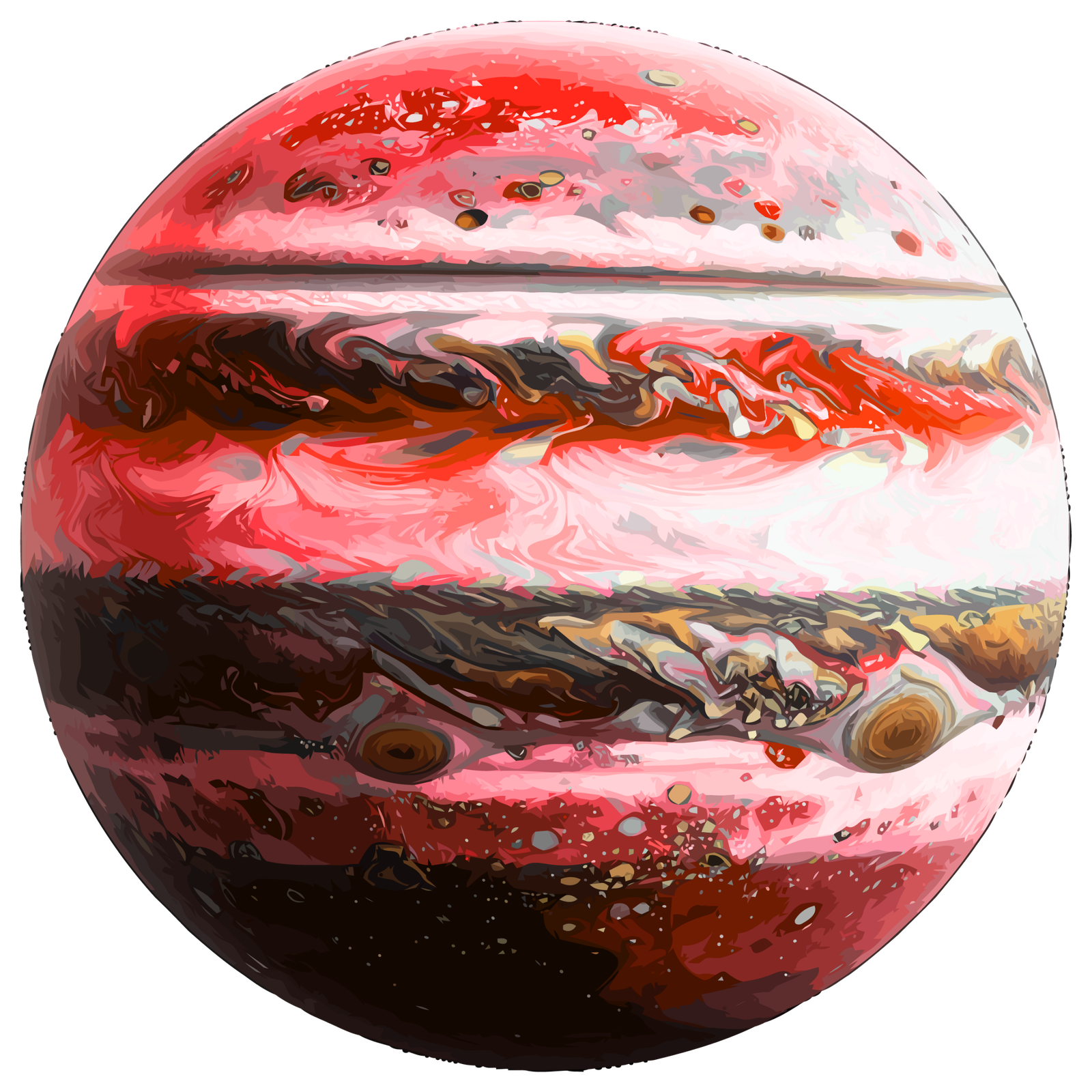
Jupiter is a magnificent sight for patient observers. It shines brightly and steadily all night. Watching its slow movement against the stars is fascinating.
Identifying Mars by Its Distinctive Red Hue
Mars is known for its bright red color. This distinctive hue makes it easy to spot. When Earth is close to Mars, it shines very brightly.
Locating Saturn Among the Background Stars
Finding Saturn takes focus, as it’s dimmer than Jupiter or Venus. It shines softly, without flickering. Look for a steady light that moves slowly through the constellations over months.
The Wonders of the Milky Way Galaxy
Exploring the night sky wonders of the Milky Way connects us deeply to the universe. Looking up on a clear, moonless night, I see our galaxy like a river of light across the sky.
Understanding the Galactic Core
The galactic core shines brightly in the sky. It’s filled with dense star clusters and dark dust lanes, giving it a textured look. It is truly a sight to behold when you realize you are looking at the heart of our galaxy.
Best Times of Year to View the Milky Way
In the United States, timing is key for the best view. The galactic core shines brightest in summer when it’s high in the sky. Plan your stargazing between June and August for the best view.
Tips for Seeing the Band of Light
Many think the Milky Way is just a cloud, but with practice, you’ll see its true beauty. Find a spot far from city lights to see its details. Patience is your best tool as your eyes adjust to the dark.
- Seek out a location with minimal light pollution.
- Check the lunar calendar to avoid bright moonlight.
- Use a red-light flashlight to preserve your night vision.
| Season | Visibility Quality | Core Position |
|---|---|---|
| Spring | Moderate | Low in the Southeast |
| Summer | Excellent | High in the South |
| Autumn | Good | Low in the Southwest |
| Winter | Poor | Below the Horizon |
By following these steps, you can enjoy the night sky wonders of our galaxy. Whether you’re an experienced observer or just starting, the Milky Way is a rewarding sight all year.
Deep Sky Objects Visible to the Naked Eye
Many amazing deep sky objects can be seen without a telescope. People often think you need expensive gear to explore space. But, the universe has many wonders for those who know where to look. These celestial objects visible without a telescope are great for your next stargazing night.
The Andromeda Galaxy as a Faint Smudge
The Andromeda Galaxy is a standout sight. It’s the farthest object you can see with your eyes, about 2.5 million light-years away. Under a dark sky, it looks like a faint, elongated smudge in Andromeda.
The Pleiades Star Cluster
The Pleiades, also known as the Seven Sisters, is a stunning open cluster. It appears as a group of sparkling jewels in Taurus. Using averted vision helps these stars stand out against the dark sky.
The Beehive Cluster in Cancer
The Beehive Cluster is a beautiful group of stars in Cancer. It looks like a small, fuzzy patch of light. Seeing it means you’re looking at a massive group of stars held together by gravity.
I’ve made a quick guide to help you find these celestial objects visible without a telescope. Each one offers a unique glimpse into our vast universe.
| Object Name | Constellation | Appearance |
|---|---|---|
| Andromeda Galaxy | Andromeda | Faint, elongated smudge |
| Pleiades | Taurus | Sparkling cluster of stars |
| Beehive Cluster | Cancer | Small, fuzzy patch |
Tracking Artificial Satellites and Space Stations
If you look up tonight, you might see the International Space Station moving across the sky. Many people focus on distant galaxies, but astronomy for beginners also includes spotting human-made objects in space. These satellites look like steady, bright lights moving against the fixed stars.
How to Spot the International Space Station
The International Space Station is a great sight to see without a telescope. It orbits the Earth about 250 miles up, looking like a bright, fast-moving star. It does not twinkle like natural stars because it reflects steady sunlight directly toward your eyes.
Distinguishing Satellites from Shooting Stars
It’s key to tell the difference between a satellite and a meteor. A shooting star flashes and then disappears quickly. On the other hand, a satellite moves steadily and can stay visible for several minutes as it crosses the horizon.
Using Apps to Predict Satellite Passes
You don’t have to guess when satellites will appear. Many mobile apps help track specific passes over your location. These apps give you exact timing, direction, and brightness data so you never miss a pass.
With these digital tools, you can plan your viewing sessions with confidence. Seeing a satellite emerge from Earth’s shadow is a magical experience that connects us to our space achievements.
Catching Meteor Showers Throughout the Year
Watching streaks of light dance across the atmosphere is a highlight of amateur astronomy. These events occur when Earth passes through trails of debris left behind by comets or asteroids. For those interested in astronomy for beginners, these showers are the perfect way to enjoy the cosmos without needing expensive gear.
The Perseids and Other Major Annual Showers
The most famous event for observers in the United States is the Perseid meteor shower. It occurs annually in August and is known for producing high rates of meteors. You can often see dozens of streaks per hour during the peak nights.
Other notable showers include:
- The Geminids: Known for bright, multi-colored meteors in December.
- The Leonids: Famous for occasional bursts of activity in November.
- The Quadrantids: A short but intense shower occurring in early January.
How to Maximize Your Chances of Seeing Meteors
To get the best view, you must escape the glow of city lights. Finding a dark sky location is essential for astronomy for beginners who want to see fainter streaks. I always recommend checking a light pollution map before you head out.
Timing is also critical for your success. Most showers are best viewed after midnight when your location on Earth is facing the direction of the debris stream. You should also avoid nights with a bright, full moon, as the extra light will wash out the fainter meteors.
Patience and Positioning for Meteor Watching
Meteor watching is a game of waiting for the sky to light up. You do not need to stare at one specific point; instead, let your eyes scan a large portion of the sky. Patience is your greatest tool during these long, quiet hours under the stars.
Comfort is vital because you will be outside for a long time. I suggest the following setup for a better experience:
- Use a reclining lawn chair to keep your neck relaxed.
- Bring a warm blanket, even in summer, as temperatures drop at night.
- Keep a thermos of hot coffee or tea nearby to stay alert.
By following these simple steps, you will be well-prepared to enjoy the wonders of the night sky. Remember that astronomy for beginners is all about curiosity and enjoying the view at your own pace.
Understanding Light Pollution and Weather Impacts
Your ability to see night sky wonders depends on your location’s conditions. Human-made light and changing weather often block your view of the cosmos.
How City Lights Obscure Celestial Wonders
Light pollution hides the night sky with artificial light. In cities, this creates a “sky glow” that covers distant galaxies and nebulae.
To see night sky wonders, go to darker places away from cities. Even a short drive to a rural park can reveal more stars.
“The stars don’t disappear; they are simply waiting for the darkness to return so they can reveal their true brilliance.”
Checking Weather Forecasts for Clear Skies
Before heading out, I check the weather for clear skies. Even a thin cloud layer can block light from planets and constellations.
Use astronomy weather apps for cloud cover percentages. Planning your trip for clear, moonless nights boosts your chances of a great view.
Dealing with Humidity and Atmospheric Turbulence
Humidity can harm stargazers by scattering light and reducing clarity. Moist air makes stars appear fuzzy or dim.
Atmospheric turbulence, or “seeing,” also affects star clarity. Unstable air makes stars twinkle intensely, blurring your view of night sky wonders.
Choose nights with low humidity and stable air for the best views. By understanding these factors, your stargazing can be clear and stunning.
Conclusion
I hope this guide inspires you to explore the universe above your home. Stargazing without a telescope is a deep way to connect with the cosmos. It uses only your natural vision and wonder.
Every clear night is a chance to learn about the stars and planets. You don’t need expensive gear to see the Milky Way or Jupiter’s glow. Simple curiosity is your best tool for exploring the sky.
Stargazing without a telescope makes quiet evenings into adventures. You might track the International Space Station or find the Andromeda Galaxy. These moments show us our place in space.
Keep looking up at the dark sky whenever you can. Your journey into the night sky’s mysteries is just starting. Enjoy the endless discovery each clear, dark evening brings.
FAQ
What can you see in the night sky without a telescope on a typical clear night?
You might be surprised by how much is accessible! When I go out for a night of naked eye astronomy, I can regularly spot five planets—Mercury, Venus, Mars, Jupiter, and Saturn—along with the various phases of the Moon. Beyond our solar system, you can see thousands of stars, the distinct band of the Milky Way, and even distant night sky wonders like the Andromeda Galaxy. The key is finding a spot away from city lights to truly appreciate what can you see in the night sky without a telescope.
How can I distinguish between a star and a planet when observing stars without a telescope?
This is one of the first things I teach anyone interested in astronomy for beginners. The easiest “rule of thumb” is to look for twinkling. Stars usually twinkle because their light is distorted by Earth’s atmosphere. Planets, however, generally shine with a steady, flat light. If you see a bright object that isn’t flickering, like the brilliant white glow of Jupiter or the golden hue of Saturn, you are likely looking at a planet rather than a distant star.
Where are the best places to find dark skies for stargazing without a telescope in the United States?
To see the most faint celestial objects visible without a telescope, I always recommend visiting a certified International Dark-Sky Park. In the U.S., locations like Cherry Springs State Park in Pennsylvania or Big Bend National Park in Texas offer some of the clearest views in the country. These spots are protected from light pollution, allowing the Milky Way and its galactic core to appear with stunning clarity.
Why do I need to wait 20 minutes before I start identifying night sky features?
This is all about dark adaptation. When I step out from a bright room into the night, my pupils need time to dilate and my eyes need to produce a protein called rhodopsin. This physiological process takes about 20 to 30 minutes. Once your eyes have adjusted, you’ll notice that observing stars without a telescope becomes much easier, and suddenly, fainter night sky features like the Pleiades star cluster begin to pop into view.
What are the most recognizable celestial objects visible without a telescope for a novice?
I always suggest starting with the “signposts” of the sky. The Big Dipper is a fantastic starting point; its pointer stars, Dubhe and Merak, lead you straight to Polaris, the North Star. During the winter, Orion the Hunter is unmistakable with his three-star belt. In the fall, look for the “W” shape of Cassiopeia. These constellations make stargazing without a telescope feel much more manageable as you learn to navigate the heavens.
How can I tell if I’m looking at the International Space Station or a shooting star?
It’s a common question! A shooting star (or meteor) is a sudden, fast streak of light that lasts only a second or two, like those found during the Perseids in August. In contrast, the International Space Station (ISS) looks like a very bright, steady “star” moving slowly and across the sky. It usually takes several minutes to cross from one horizon to the other. I use apps like Star Walk 2 or SkyView to track exactly when the ISS will pass over my backyard.
Is it really possible to see another galaxy with just my eyes?
Yes, it absolutely is! The Andromeda Galaxy is the most distant object you can see with the naked eye, located about 2.5 million light-years away. To me, it looks like a faint, elongated smudge or a “fuzzy star” near the constellation Andromeda. While it doesn’t look like a bright spiral without a camera, knowing that you are looking at billions of stars from a completely different galaxy is one of the true night sky wonders.
What simple tools should I bring for a night of naked eye astronomy?
Even though we are focused on stargazing without a telescope, a few items make the experience better. I always bring a red-light flashlight, which allows me to read a star chart without ruining my night vision. A comfortable reclining chair is also a game-changer for observing stars without a telescope for long periods, especially during a meteor shower when you want to look straight up without straining your neck.