
If you’re willing to set your alarm a little earlier than usual this week, the night sky is about to throw one hell of a show. On the morning of August 12, 2026, skywatchers across North America are in for a serious treat: a rare six-planet parade lining up across the pre-dawn horizon.
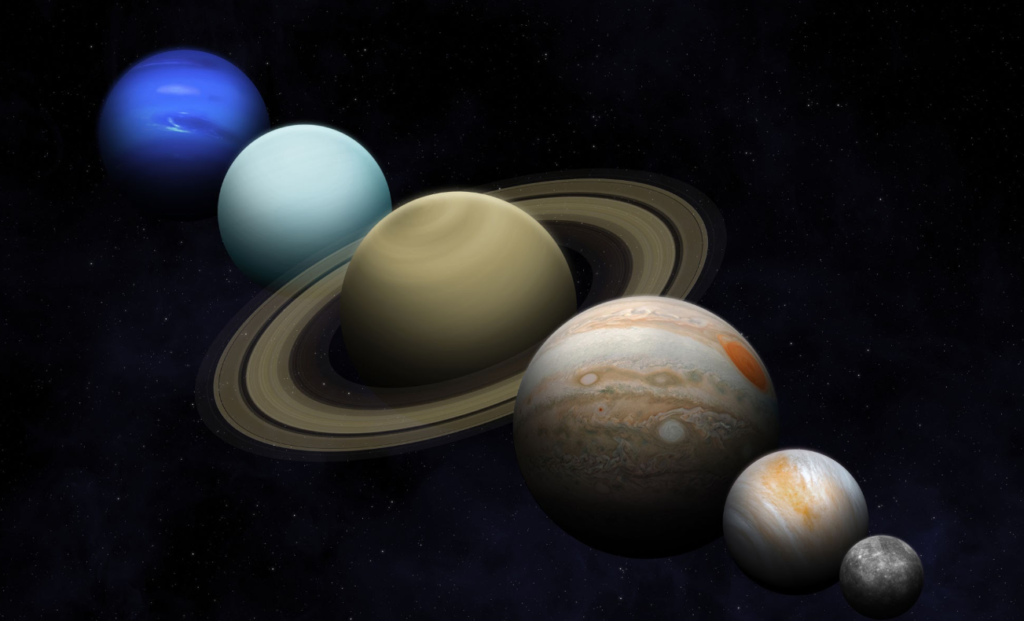
We’re talking Mercury, Mars, Jupiter, Saturn, Uranus, and Neptune all sharing the same general cosmic real estate right before sunrise.
Now, before you go grabbing a cheap pair of binoculars expecting to see a perfectly straight line like something out of a sci-fi movie, lets talk about what’s actually happening up there, what you can see with your bare eyes, and what’s gonna need a bit of gear.
What Is a Planetary Alignment (and Is It Really That Rare?)
First off, planets don’t actually form a straight ruler-flat line in space. That’s a myth Hollywood loves to sell us. What’s really happening is an optical illusion from our perspective here on Earth. Because all planets in our solar system orbit the Sun on roughly the same flat plane (called the ecliptic), they appear to trace a single path across our sky.
When several of them happen to sit on the same side of the Sun at the same time, they line up along that path.
Seeing two or three planets near each other is pretty common. But getting six planets lined up at once—especially in a single view before dawn—doesn’t happen every day. It takes a specific orbital dance that only aligns every few years.
The Lineup: Who’s Showing Up to the Party?
Here is the rundown of the six planets making an appearance on August 12:
How and When to Watch the Parade
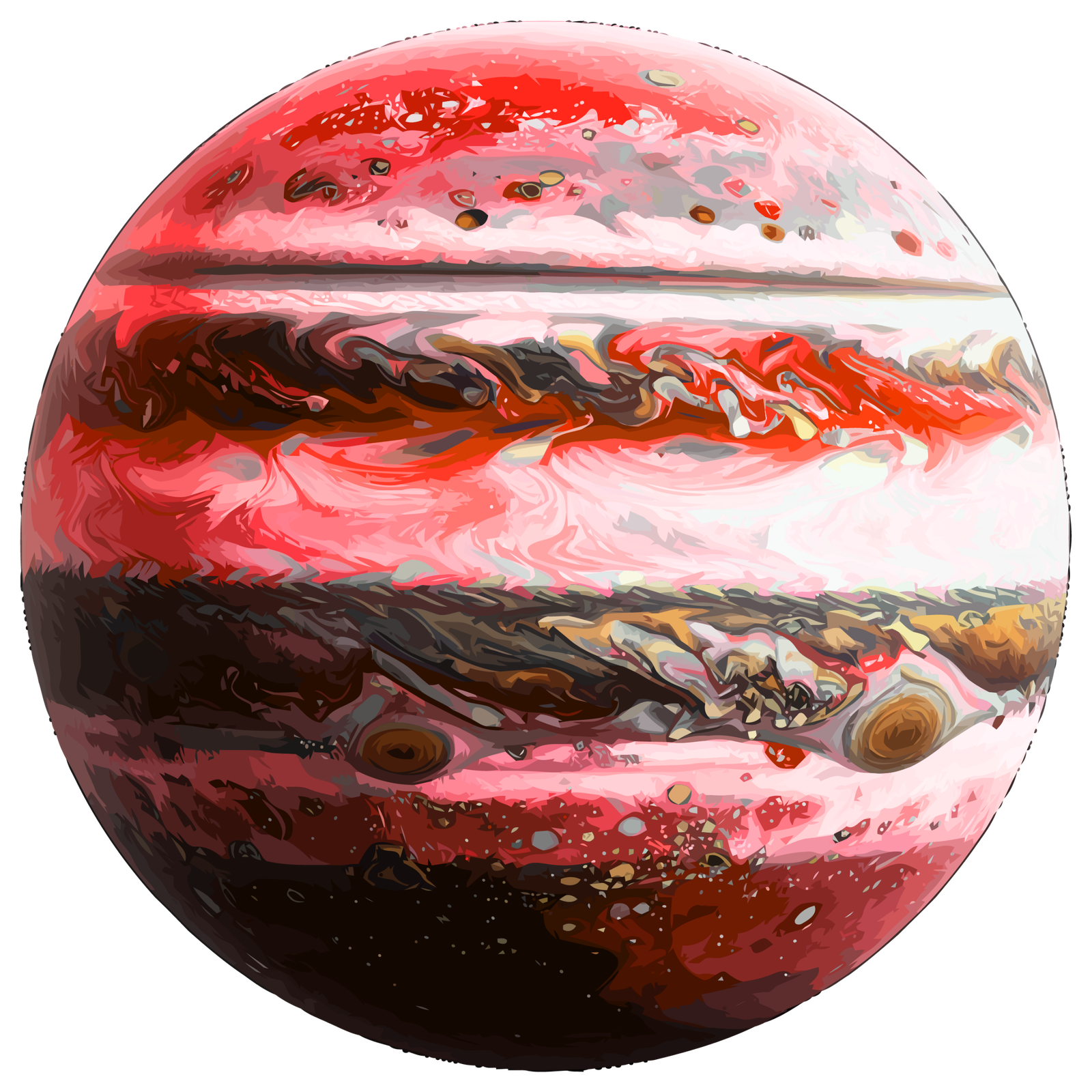
- Jupiter: You literally can’t miss this one. It’ll be the brightest point in the sky after the Moon, glowing with a bright golden-white color.
- Mars: Look for that signature reddish-orange hue. It won’t be quite as bright as Jupiter, but its color makes it super easy to spot.
- Saturn: Slightly yellowish and steadily bright. If you have a decent backyard telescope, you might even catch a glimpse of its rings.
- Mercury: Sitting low near the horizon. Mercury is always tricky because it hangs out so close to the Sun, so timing is key here before the dawn light washes it out.
- Uranus & Neptune: The two distant gas giants are technically part of the parade, but you will need binoculars or a telescope to see them. They’re way too faint for naked-eye viewing, specially with any morning light creeping in.
If you wanna catch this celestial parade, preparation is everything. Here is how to maximize your chances:
1. Timing Is Everything
Head outside roughly 45 to 60 minutes before local sunrise on August 12. You want the sky to be dark enough to spot faint objects, but late enough that Mercury has risen above the eastern horizon.
2. Find an Unobstructed View Facing East-Southeast
Since Mercury and Mars sit fairly low toward the horizon, trees, buildings, or hills will completely block your view. Find an open field, an elevated hill, or a beachfront facing East/Southeast.
3. Let Your Eyes Adjust
Give your eyes at least 15 to 20 minutes to adjust to the dark. Put your smartphone in your pocket—looking at a bright screen resets your night vision and makes spotting faint planets like Mars or Uranus much harder.
Do You Need Special Gear?
Yes and no.
You can easily spot Jupiter, Mars, Saturn, and likely Mercury with just your naked eyes if the weather plays nice and sky conditions are clear.
However, if you want to complete the full “six-planet checklist” by finding Uranus and Neptune, you’ll definitely need a sky-mapping app (like SkyView, Stellarium, or Star Walk) alongside a solid pair of 10×50 binoculars or a beginner telescope.
Final Thoughts
Events like the August 12 planet parade are a gentle reminder of how dynamic our solar system really is. So set that early alarm, grab a hot cup of coffee, and step outside before dawn breaks. Clear skies!