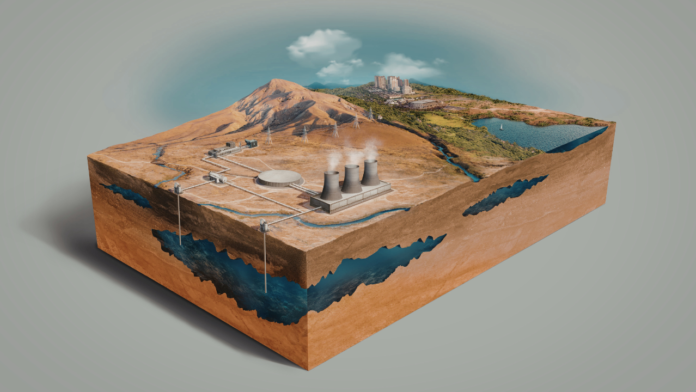

If you’ve ever wondered what is geothermal energy and how heat buried deep beneath the ground can actually power a home or even an entire city, the basic idea is pretty simple. Geothermal energy is heat that comes from inside the Earth and people have been using that heat in different ways for thousands of years.
The word geothermal comes from two Greek words, geo meaning Earth and therme meaning heat. Deep below our feet, the Earth is incredibly hot. That heat can warm underground water and rock, and with the right technology we can bring some of that energy to the surface and put it to work.
Geothermal energy can be used to generate electricity, heat buildings, cool homes and businesses and even store thermal energy. Unlike solar and wind power, geothermal energy doesn’t depend on whether the sun is shining or the wind is blowing. In places with the right resources, it can provide energy around the clock.

6
How Does Geothermal Energy Work?
The easiest way to understand geothermal energy is to think of the Earth as a giant natural heat source.
The deeper you go underground, the hotter things generally become. Heat from the Earth’s interior has been moving toward the surface for billions of years. Some of that heat comes from the formation of the planet, while a major ongoing source is the natural decay of radioactive elements inside the Earth.
In certain places, groundwater comes into contact with hot rocks deep underground. The water can become extremely hot and may turn into steam. These underground areas are called geothermal reservoirs.
When wells are drilled into a geothermal reservoir, hot water or steam can be brought to the surface. That heat can then be used directly or converted into electricity.
In a geothermal power plant, underground heat is used to produce steam or another hot working fluid that turns a turbine. The spinning turbine drives a generator, which produces electricity.
After the water has been used, many geothermal facilities return it underground through injection wells. This helps maintain the reservoir and allows the system to keep operating over time.
It sounds a little like magic when you first hear about it, but really it’s just using heat that was already sitting beneath the ground.
Where Does Geothermal Energy Come From?
The Earth is not a cold rock with a hot center and nothing happening in between.
There is a huge amount of heat beneath the surface.
The Earth’s inner core is estimated to be around 10,800 degrees Fahrenheit, roughly as hot as the surface of the Sun. The temperature becomes much cooler as you move outward, but there is still enormous amounts of heat stored in the crust and upper layers of the planet.
In some regions, this heat is relatively close to the surface. That’s why places with volcanic activity often have major geothermal resources.
Hot springs, geysers and steam vents are all natural examples of geothermal energy reaching the surface.
Yellowstone National Park is probably one of the best-known examples in the United States. The park has thousands of hydrothermal features created by heat moving through rocks and groundwater beneath the surface.
But you don’t need a volcano in your backyard to use geothermal energy.
That’s one of the things that makes the technology so interesting.
What Is Geothermal Energy Used For?
There are several ways geothermal energy can be used, and generating electricity is only one of them.
Geothermal heat can be used directly for heating buildings, greenhouses, industrial processes and other applications. Hot water from underground can sometimes be used without first converting it into electricity.
Another important technology is the geothermal heat pump.
A geothermal heat pump doesn’t need to reach the extremely hot temperatures found miles underground. Instead, it takes advantage of the relatively stable temperature of the ground a few feet below the surface.
During winter, a geothermal heat pump moves heat from the ground into a building. During summer, the system reverses the process and moves heat from the building back into the ground.
The temperature underground stays much more stable than the air above it. According to the U.S. Energy Information Administration, soil temperatures around 10 feet below the surface are generally between about 50 and 60 degrees Fahrenheit in much of the United States.
That makes the ground act almost like a natural thermal battery.

5
How Do Geothermal Power Plants Make Electricity?
There isn’t just one type of geothermal power plant.
The technology used depends on the temperature and characteristics of the underground resource.
Some geothermal plants use naturally occurring steam from underground reservoirs. The steam can travel directly to a turbine and spin it to produce electricity.
Other plants bring hot water to the surface. The pressure can be reduced so some of the hot water turns into steam, which is then used to drive a turbine.
There are also binary cycle geothermal plants. In these systems, underground hot water heats another liquid that has a lower boiling point than water. That second fluid turns into vapor and drives the turbine.
Afterward, the fluids can be cooled and circulated again.
The basic idea stays the same though. Heat from the Earth becomes mechanical energy in a turbine and then electrical energy through a generator.
Is Geothermal Energy Renewable?
Yes, geothermal energy is considered a renewable energy source.
The reason is that heat is continuously moving from the Earth’s interior toward the surface, and natural processes keep replenishing the Earth’s internal heat.
But there is an important detail.
A geothermal reservoir still needs to be managed properly. If a project removes hot water faster than the underground system can naturally replenish it, the resource can be affected.
That’s why geothermal projects often reinject water back into the ground.
With proper management, geothermal reservoirs can remain useful for decades or even centuries.
So calling geothermal energy renewable doesn’t mean you can use an underground reservoir forever without managing it. It means the underlying source of heat is continually replenished on a much larger timescale.
Where Is Geothermal Energy Found in the United States?
The United States has some of the world’s best geothermal resources.
Traditional geothermal power resources are especially common in western states, Alaska and Hawaii. California and Nevada are major geothermal energy producers because of their geology and the amount of heat available underground.
In 2025, U.S. utility-scale geothermal power plants operated in seven states: California, Nevada, Utah, Hawaii, Oregon, Idaho and New Mexico. Together they generated around 16 billion kilowatt-hours of electricity, which represented about 0.4% of total U.S. utility-scale electricity generation.
But that doesn’t mean geothermal energy is limited to those states.
Geothermal heat pumps can be used across much more of the country because they rely on the relatively stable temperature of the shallow ground rather than a deep reservoir of extremely hot water or steam.
New technologies are also changing where geothermal electricity may be possible.
What Are Enhanced Geothermal Systems?
One of the biggest developments in geothermal energy is something called an Enhanced Geothermal System, or EGS.
Traditional geothermal power usually depends on finding three things underground at the same time: heat, fluid and pathways that allow the fluid to move through hot rock.
That limits where conventional geothermal plants can be built.
EGS is designed to expand that potential.
Instead of relying entirely on a naturally occurring geothermal reservoir, engineers can create or improve underground pathways in hot rock. Water is circulated through these areas, picks up heat and is then brought back toward the surface.
The basic concept is similar to turning hot underground rock into a man-made geothermal reservoir.
The U.S. Department of Energy has been investing heavily in EGS research because it could make geothermal electricity available in areas that don’t have traditional geothermal resources.
This is one reason geothermal energy has been getting more attention in the United States.
The old idea was basically “find a naturally hot place.”
The newer idea is closer to “find hot rock and figure out how to use it.”

6
What Are the Benefits of Geothermal Energy?
One of the biggest advantages of geothermal energy is reliability.
Solar panels stop producing electricity when the sun goes down, and wind turbines depend on wind conditions. A geothermal power plant can operate day and night because the heat source is underground.
The Department of Energy says geothermal power plants typically have capacity factors around 90% or higher, meaning they can operate at high output for much of the time.
Geothermal energy also has a relatively small land footprint compared with some other energy technologies.
It can provide electricity without burning coal, oil or natural gas, and geothermal plants generally produce much lower greenhouse gas emissions than fossil fuel power plants.
The U.S. Energy Information Administration says geothermal power plants can release small amounts of carbon dioxide and sulfur compounds, but emissions are much lower than those from fossil fuel-fired plants. Many plants also reinject the water and steam they use back underground.
Another advantage is that geothermal resources are domestic.
The United States doesn’t have to import fuel from another country to access heat beneath American soil.
What Are the Disadvantages of Geothermal Energy?
Geothermal energy isn’t perfect.
The biggest challenge for many geothermal projects is the cost and difficulty of drilling.
Drilling deep into hot rock can be expensive, and engineers need detailed information about what is happening underground before a project can be developed.
Geothermal projects can also encounter complicated geology, high temperatures and corrosive fluids that can damage equipment.
There is also the issue of location.
Traditional geothermal electricity generation works best where suitable underground heat and fluids are available. EGS may expand the number of places where geothermal power is possible, but the technology still needs to become more economical and easier to deploy at large scale.
Some geothermal operations can also produce small amounts of gases or mineral-rich fluids that need to be properly managed.
So geothermal energy isn’t a magic solution that can replace every other energy source.
It’s another tool, and in the right location it can be a very powerful one.
Geothermal Energy vs Solar and Wind
It’s easy to compare geothermal energy with solar and wind because all three are considered renewable energy sources, but they work in very different ways.
Solar energy captures sunlight.
Wind energy captures moving air.
Geothermal energy captures heat from inside the Earth.
The biggest difference is consistency.
A solar farm can’t generate electricity at night, and its output changes with clouds and seasons. Wind power changes when wind conditions change.
Geothermal power can operate continuously, which gives it a useful role alongside renewable sources that are more dependent on weather.
That doesn’t mean geothermal is automatically better.
Solar and wind can be deployed in many places and have become major sources of new electricity generation. Geothermal resources are more dependent on local geology, especially for conventional geothermal power.
The future energy system will probably use a combination of technologies instead of relying on one source for everything.
Can Geothermal Energy Heat a Home?
Yes, and this is actually one of the most practical uses of geothermal energy.
A geothermal heat pump can heat and cool a home by moving heat between the building and the ground.
During winter, the system pulls heat from underground and moves it inside.
During summer, it takes heat out of the house and transfers it into the ground.
The system doesn’t create heat in the same way a traditional furnace does. It mainly moves heat from one place to another.
That can make geothermal heat pumps highly efficient for heating and cooling buildings. They can be used in homes, schools, offices and other buildings.
The main downside is the upfront cost.
Installing the underground loops and equipment can cost more than installing a conventional heating and cooling system, although operating costs can be lower depending on the property, local energy prices and system design.
Is Geothermal Energy Good for the Environment?
Overall, geothermal energy can have a relatively low environmental impact, especially when compared with fossil fuel energy.
It doesn’t require burning fuel to generate electricity, and geothermal power plants can produce much lower greenhouse gas emissions than coal or natural gas plants.
But geothermal projects still need to be designed and managed carefully.
Drilling can disturb land, geothermal fluids can contain minerals and gases that need to be handled, and poorly managed projects can affect underground resources.
Modern geothermal systems are designed to control these issues and many facilities reinject water back underground.
Geothermal heat pumps are even less visible from an environmental standpoint because most of the equipment is underground or inside the building, with no fuel being burned onsite.
Why Geothermal Energy Could Become More Important
For a long time, geothermal energy stayed in the background while solar and wind received much of the attention.
That’s starting to change.
The reason is pretty simple. The world needs more electricity, and it also needs reliable sources that can operate when the sun isn’t shining or the wind isn’t blowing.
Geothermal energy has the potential to fill part of that gap.
The Department of Energy estimates that next-generation geothermal technologies could significantly expand the amount of geothermal electricity available in the United States. Its current geothermal research also looks at applications beyond electricity, including heating, cooling, thermal energy storage and even extracting critical minerals such as lithium from some geothermal brines.
That means geothermal energy could become more than just a way to make electricity.
It could become part of a much bigger energy system.
So What Is Geothermal Energy Really?
So, what is geothermal energy in the simplest possible terms?
It’s energy that comes from the Earth’s natural heat.
That heat can be found in hot underground rocks, hot water and steam, and even in the relatively stable temperatures just below the surface.
We can use it to generate electricity, heat buildings, cool homes and businesses and potentially store energy.
The technology has been around for a long time, but newer drilling techniques and enhanced geothermal systems are opening up possibilities that weren’t practical before.
The most interesting part may be that the resource is already there.
Every day, whether we’re thinking about it or not, enormous amounts of heat are moving through the Earth beneath our feet.
The challenge isn’t creating that energy.
It’s finding affordable and efficient ways to reach it.
And as the United States looks for reliable sources of renewable energy, that heat sitting quietly underground could become a much bigger part of the picture.
A Tiny Probe the Size of a Cellphone Could Make Asteroid Gravity Measurements : spc gravity